The five things that make a quote useful
- What needs to be made, modified or repaired. A sentence is enough to start. Precision comes later.
- The material, if you know it. If you do not, say so rather than guessing. A wrong material stated confidently is worse than an honest blank.
- Where the work is. In your building, or can the part come to the shop? This changes the job more than most people expect.
- When it has to be done. Including any shutdown window, and whether the timing is fixed or flexible.
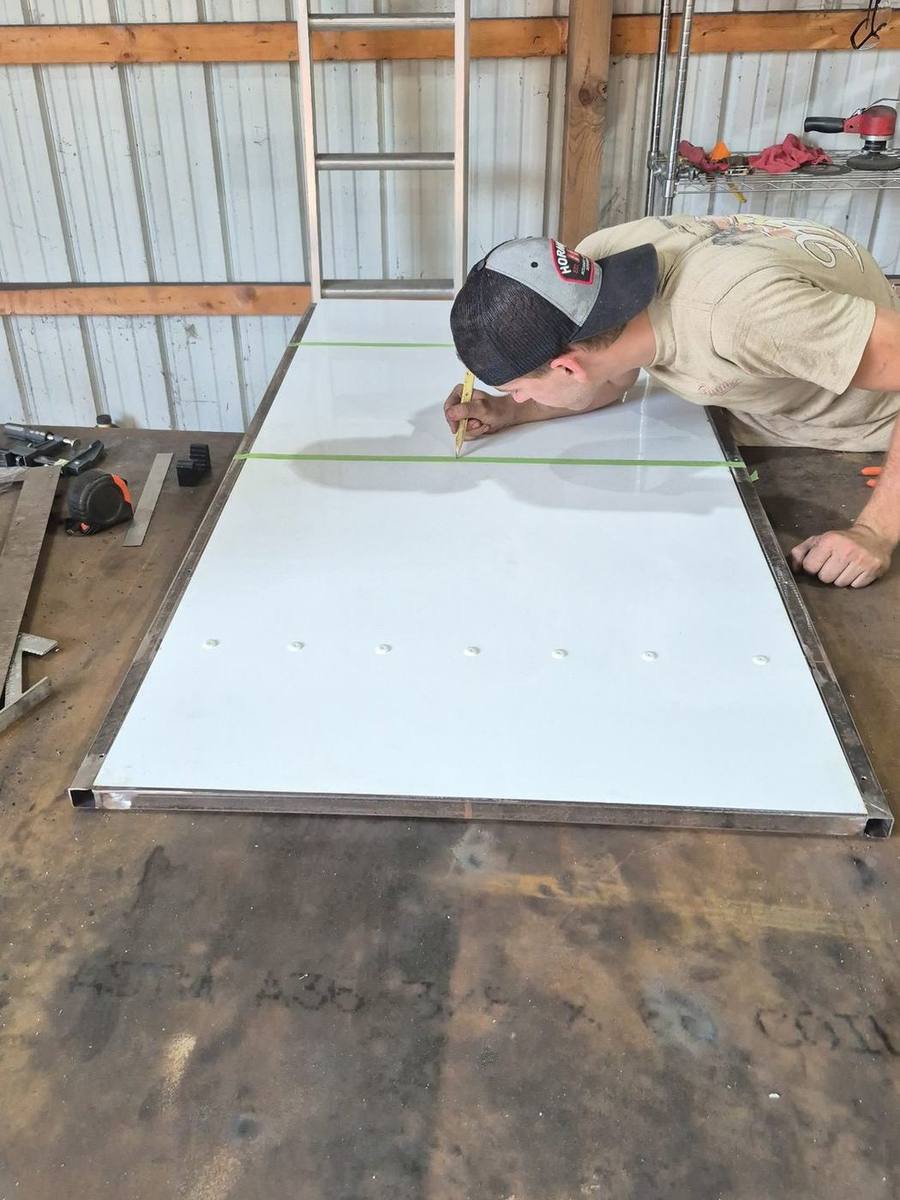
- A photograph. For anything that already exists, this does more work than several paragraphs of description.
Why access changes the price more than the metal
A weld that takes an hour on a bench can take a shift when it is overhead, inside a guard, reachable only from a lift, and has to stop every time a forklift needs the aisle.
The metal did not change. The conditions did. On-site work is quoted on access as much as on material, and it is the detail most commonly left out of an inquiry.
Things worth mentioning without being asked: how the area is reached, whether equipment nearby has to keep running, whether the work is at height, whether there is a permit process, and whether there are hours when the area cannot be entered.
What to include when you send a job
A sentence is enough to start. Precision comes later.
If you do not, say so. A wrong material stated confidently is worse than an honest blank.
At your facility or can the part come to the shop. This changes the job more than most people expect.
Including any shutdown window, and whether the date is fixed.
How the area is reached, whether nearby equipment keeps running, whether it is at height, whether a permit applies.
For anything that already exists, this does more than several paragraphs of description.
What a good photograph shows
Include something for scale, in the same plane as the subject. A tape measure is ideal, any known object will do.
Take one close shot of the failure or the detail, and one wide shot showing where it sits. The wide shot is often the more useful of the two, because it shows clearances and mating surfaces.
If a part is broken, photograph the break. Where and how something failed tells a fabricator what the replacement needs to survive.
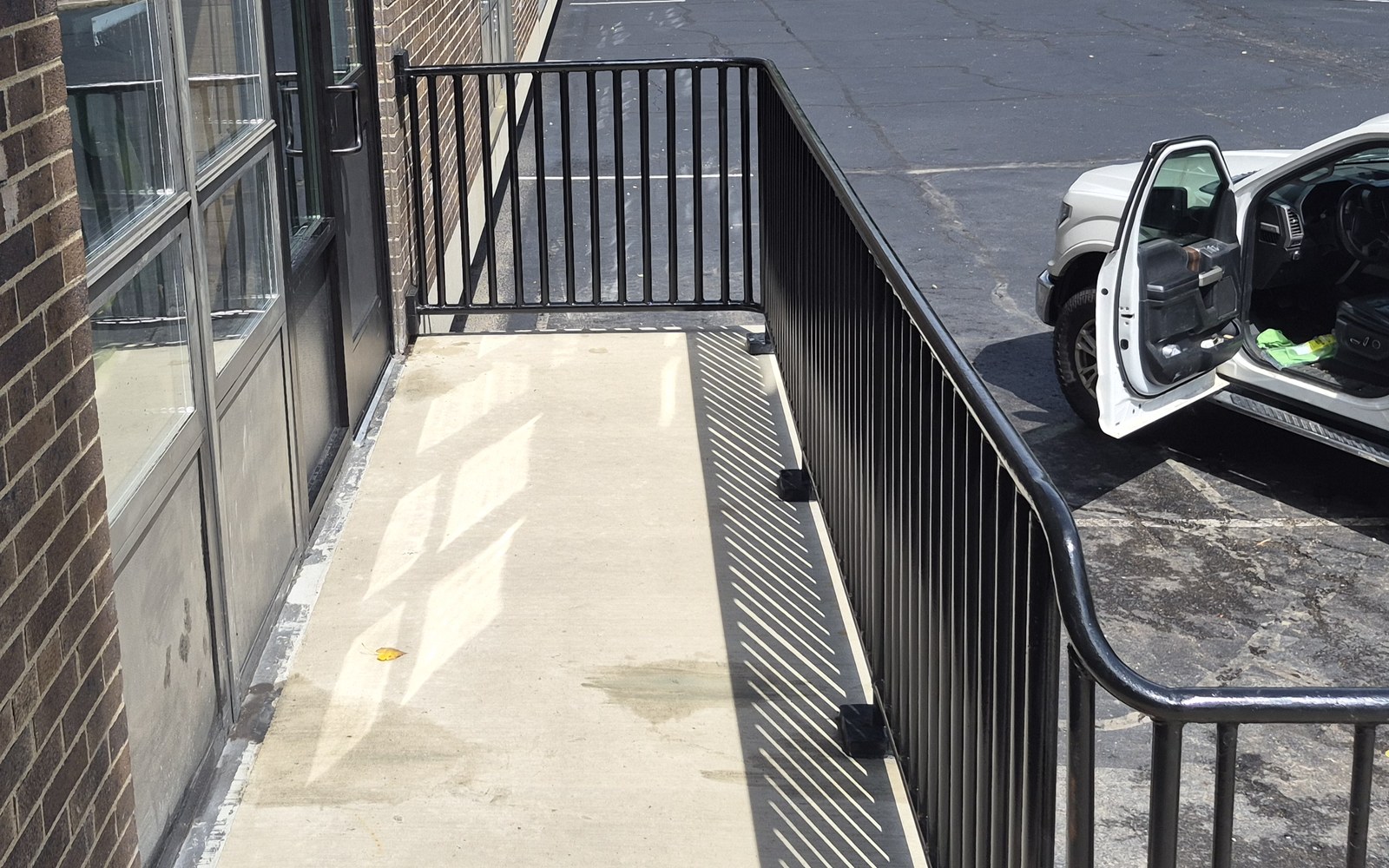
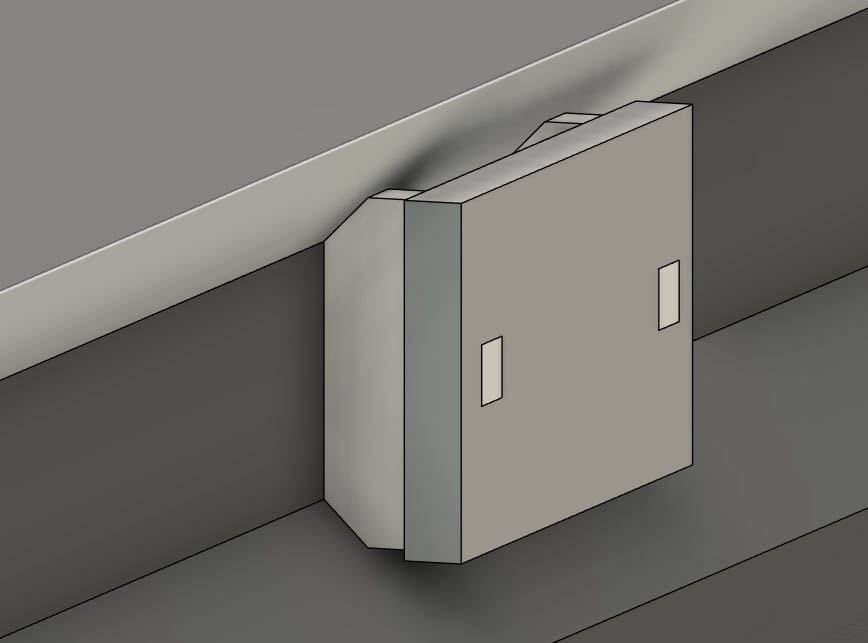
For anything being installed, photograph what it lands on. Existing anchor patterns and mounting surfaces are where fit problems come from.
Anything you leave out becomes an assumption, and assumptions are what make the invoice differ from the quote.
Why quotes come back different from each other
Two quotes that differ significantly are usually not quoting the same job.
Surface preparation is the most common difference. A quote that includes blasting before coating and one that does not are different pieces of work with different lifespans.
Installation is the second. Fabricating a piece and setting it in place properly are separate scopes, and it is worth confirming which one you are buying.
Material specification is the third. Thickness and grade are not always stated, and they should be.
When quotes diverge, the productive question is not who is cheapest. It is what the cheaper one has left out.
| Gap | What one quote includes | What the other assumed |
|---|---|---|
| Surface preparation | Blasting to clean metal before coating | Paint over the existing surface |
| Installation | Fabricate, deliver, set and fasten in place | Fabricate and deliver only |
| Material specification | Thickness and grade stated | Whatever is in the rack |
| Access | Priced for working at height, inside a guard, around live equipment | Priced as bench work |
| Coating | Full system, with cure time in the schedule | Primer only |
| Site time | Measurement visit included | Built from your dimensions, with the fit risk on you |
What you should expect back
A clear description of what is being done, not just a number. Material and thickness where they matter. Whether installation is included. Whether preparation and finishing are included. And an honest position on timing.
You should also expect to be told when a job is not right for that shop. A fabricator who takes work they are not set up for costs you time twice, once while they have it and again when it goes somewhere else.
What a quote should actually say
A number on its own is not a quote, it is a price. What you want back is enough detail that you could hand it to somebody else and they would build the same thing.
- What is being made or done , described specifically rather than as a category.
- Material and thickness where they matter to performance or price.
- Whether installation is included , and if so what installed means: delivered and set, or set and fastened and made good.
- Whether preparation and finishing are included , and to what standard.
- Timing , including what is driving it. A lead time you can plan around is worth more than an optimistic one.
If a quote does not contain these, the gap is not pedantry. It is where the disagreement will happen later.
Urgency, and how to describe it usefully
Everything is urgent when you are the one waiting. Shops schedule better when urgency is described rather than asserted.
A line down now, with production stopped, is a different job from a part needed before a scheduled window next month, which is different again from a project with no fixed date.
Say which one it is and say what happens if it slips. A shop that knows the consequence can tell you honestly whether they can meet it, and can sometimes restructure the work to get you the critical piece first.
The alternative, marking everything urgent, produces the same outcome as marking nothing urgent.
Small jobs, minimums and being told no
It is worth understanding why some shops decline work that looks straightforward, because it is rarely about the money on that job alone.
A job shop is set up for work that requires setup: measuring, fitting, welding, machining, finishing. The overhead of taking on a task is largely fixed regardless of how small the task is, which is worth knowing when you are deciding whether to repair or replace.
A shop that takes it anyway usually does it badly or slowly, because it is competing for bench time with work that suits the shop better.
Being told a job is not for them, with a straight explanation, is more useful than a reluctant yes. It also tells you the yes means something when you get it.
Standards and further reading