What a millwright actually does
Millwright is a precision trade, and the precision is the point. The work is positioning, levelling, shimming, anchoring and aligning machinery so that it runs the way its manufacturer intended. That covers new installations, relocations, and the resetting of equipment that has drifted out of tolerance over years of service.
The tools are laser alignment sets, precision levels, dial indicators, shims and anchors. The skill is knowing what a reading means. A coupling that is a few thousandths out will run. It will also chew bearings, walk its bolts loose and put a vibration signature into everything bolted to the same slab.
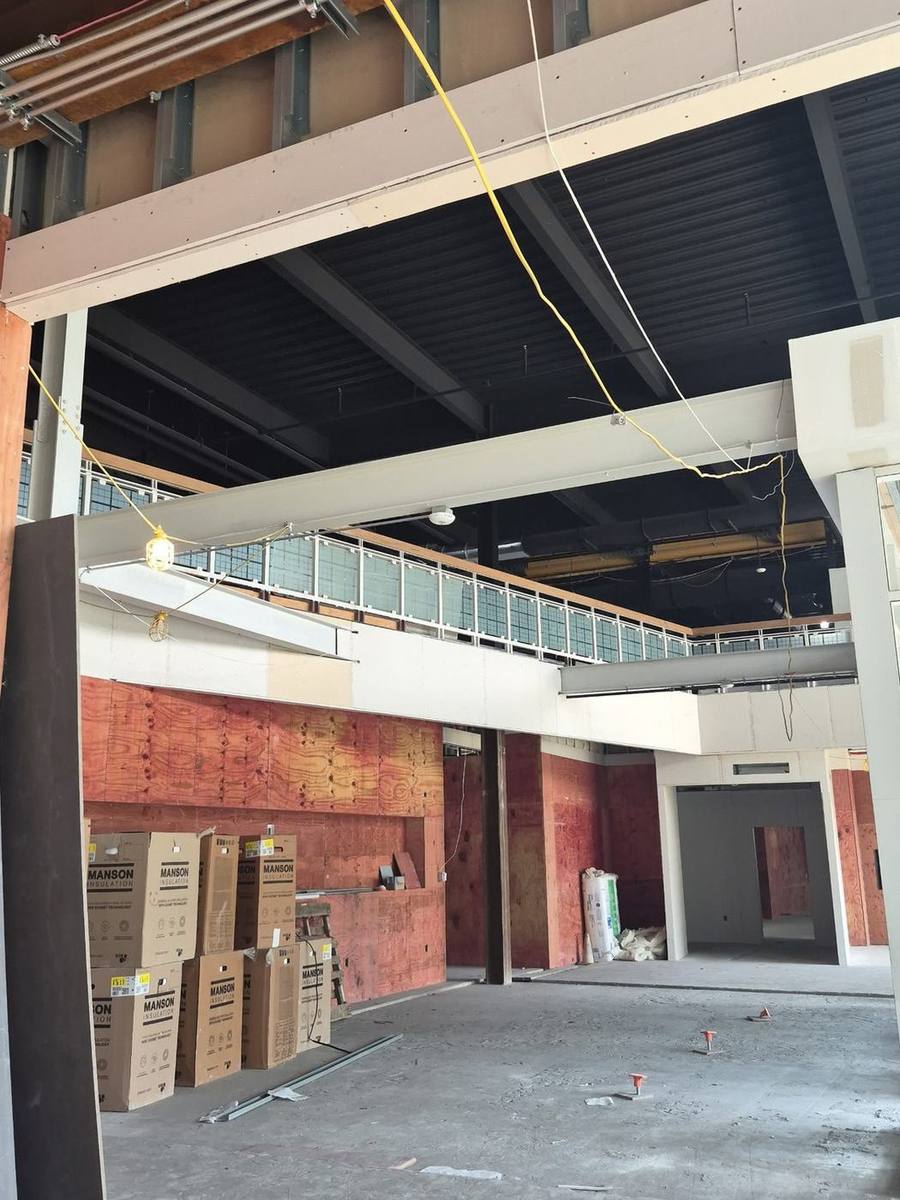
Millwrights also handle the rigging that gets equipment into position. Moving a machine is not a forklift problem once the machine is heavy, awkward, or has to travel through a building that was finished around it.
What a mechanical contractor does instead
Mechanical contracting is a broader category and it centres on systems rather than individual machines. Piping, process lines, compressed air, hydraulics, pumps, heating and ventilation. The work connects things together and keeps them running.
There is real overlap. Both trades weld. Both work on rotating equipment. Both are on site during a shutdown. The difference shows up in what each one is optimising for. A mechanical contractor is thinking about the system working end to end. A millwright is thinking about one machine sitting exactly right.
The trades overlap. What does not overlap is what each one is optimising for.
How to tell which one your job is
A short test that works most of the time. Ask what would count as the job being done correctly.
If the answer involves a measurement on a specific machine, alignment within tolerance, a base that is level, an anchor pattern that holds, that is millwright work.
If the answer involves a line that carries something from one place to another without leaking, that is mechanical work.
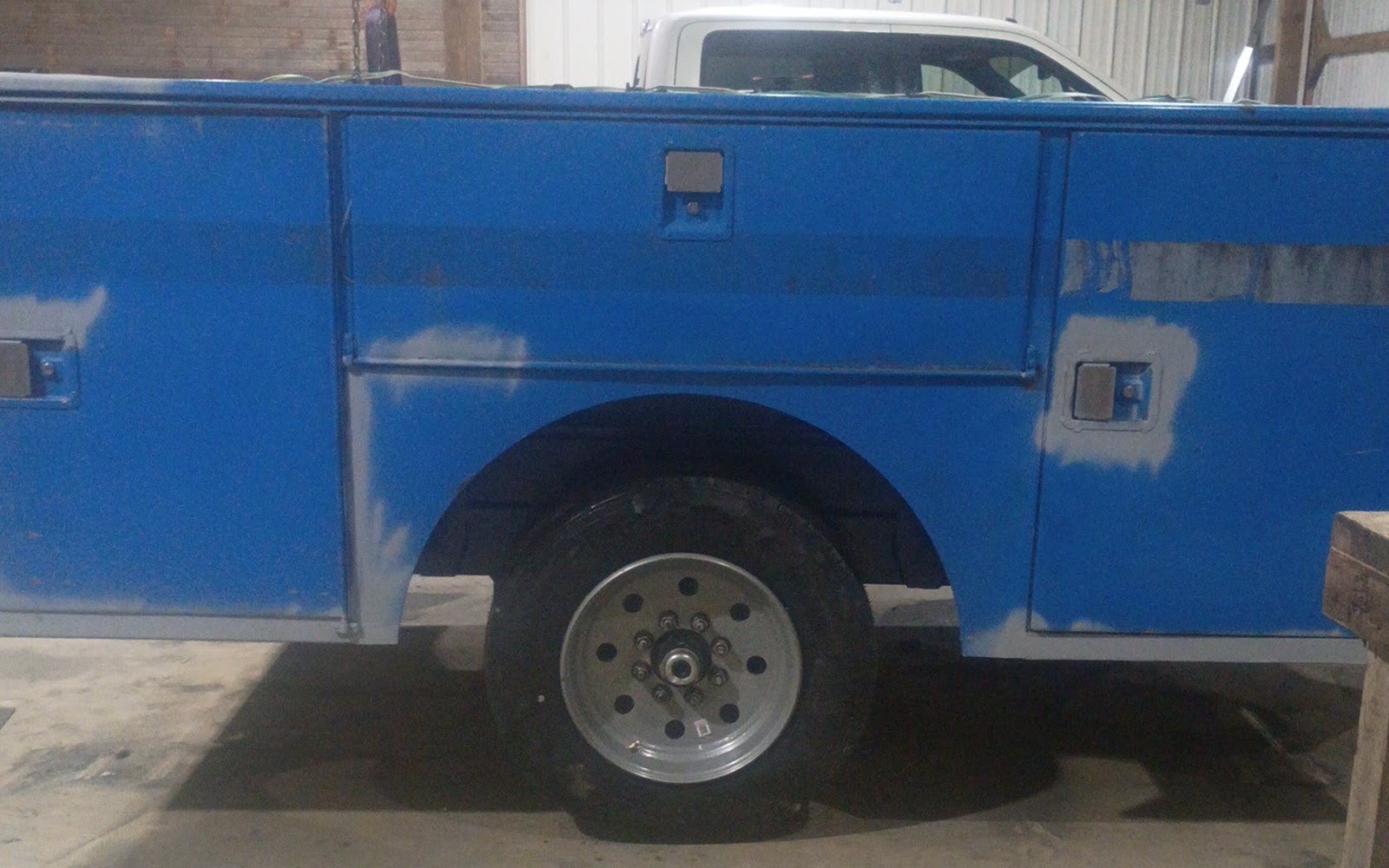
If the answer is a part that does not exist yet, that is fabrication, and it often sits inside one of the other two.
| Trade | The job is done when | Typical scope | Where it goes wrong |
|---|---|---|---|
| Millwright | A measurement on one machine is inside tolerance | Setting, levelling, shimming, anchoring, shaft and coupling alignment, rigging and relocation | Alignment signed off by eye instead of by indicator |
| Mechanical | A system moves something end to end without leaking | Process and utility pipe, pumps, hydraulics, compressed air, heating and ventilation | Supports improvised on site because none were fabricated |
| Fabrication | A part that did not exist now fits | Bases, brackets, guards, platforms, chutes, structural repair | Discovered mid-job, so it becomes a change order and a lead time |
The expensive version of getting it wrong
Hiring a general mechanical crew to set a press is not usually a disaster on day one. The machine gets bolted down and it runs. The cost arrives over the following year as bearing failures, belt wear, fasteners backing out and parts drifting out of spec.
By the time somebody connects those symptoms back to the installation, the warranty conversation has usually passed, and the fix is a full realignment on a machine that is now in production.
The reverse error is cheaper but still real. A millwright crew brought in for a piping run will do careful work slowly, and you will pay precision rates for something that did not need them.
Five questions to ask before you hire either one
Laser sets and dial indicators produce numbers. If the answer is vague, the alignment will be too.
Alignment produces data. A crew that took it will hand it over without hesitating.
This is the question that decides whether a surprise costs an hour or a week.
Most industrial work happens at night or over a weekend. Confirm it before the date is fixed.
A contractor who names their limits is telling you the truth about the rest of it.
Why the fabrication question matters
The single most common thing that stalls a millwright job is discovering that a part does not exist. A base that does not match the new machine's footprint. A bracket that was custom when the plant was built and has no drawing. A guard that has to be modified to clear a new motor.
At that point the job stops, unless whoever is on site can make the part. A crew that can fabricate handles it as a task. A crew that cannot handles it as a change order and a lead time.
This is the practical argument for using a shop that covers both. It is not about breadth for its own sake. It is that industrial work rarely stays inside the category it started in.
What alignment actually buys you
It is worth being concrete about why alignment is treated as a precision trade rather than a setup task, because the payback is invisible until it is not.
A misaligned drive puts a cyclic load into everything connected to it. Bearings see a side load they were not specified for. Seals wear unevenly and start weeping. Couplings heat up. Fasteners work loose because the machine is being pushed in a slightly different direction on every rotation.
None of that stops production on the day of the install. It shortens the interval between failures, and it does so quietly enough that most plants attribute the failures to the components rather than to the setup.
The practical consequence is that alignment is the cheapest thing you will buy during an installation and the most expensive thing to go back and correct once the machine is in production.
Rigging is part of the job, not a separate problem
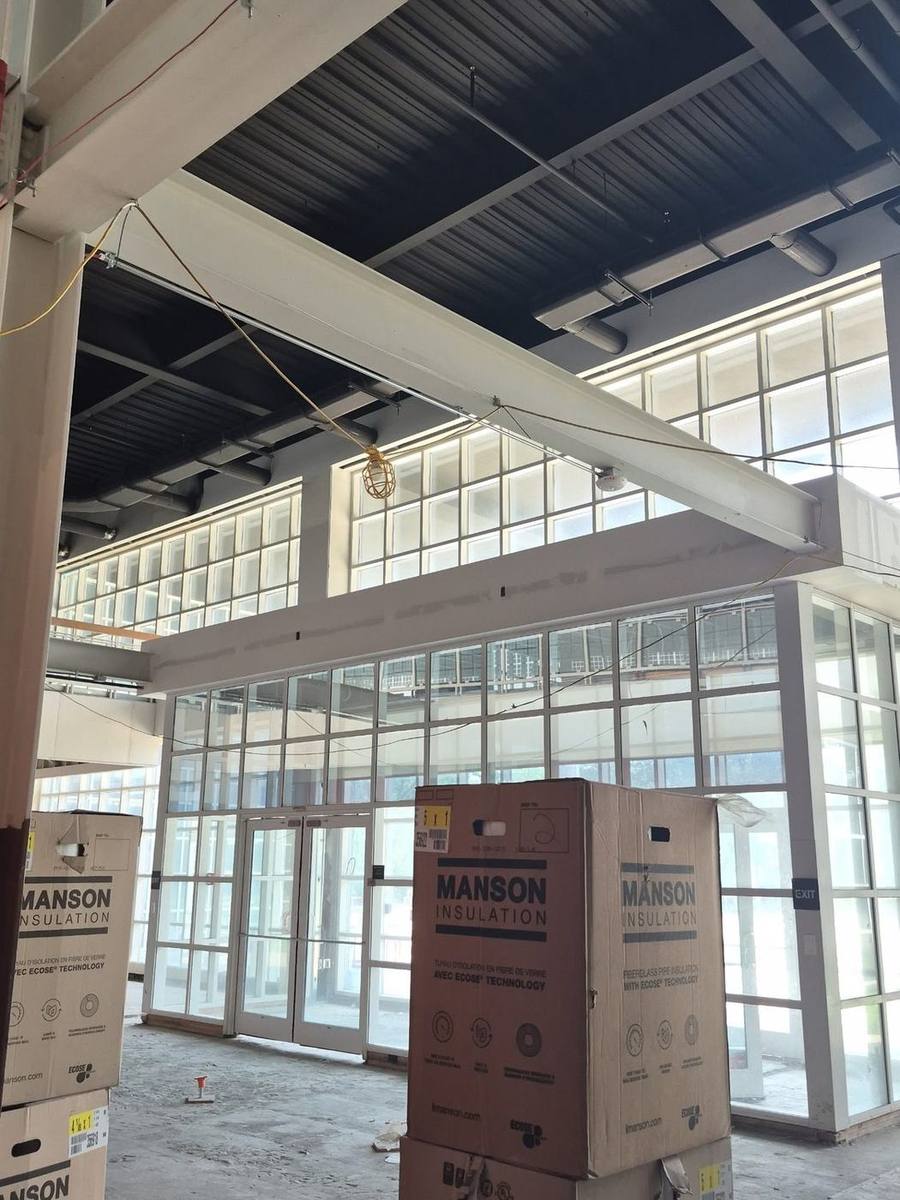
Getting equipment into position is frequently underestimated, because on paper it is a lift. In practice the machine is heavy, the route runs through a building that was finished around it, and the final few feet cannot be done with a forklift.
Skates, gantries, chain falls and jacking are ordinary millwright tools for exactly this reason. A crew that arrives expecting to lift a machine into place and finds it will not fit through the route has already lost a day.
If a machine has to be moved, the route should be walked before the date is set. Door widths, floor loadings, overhead clearances and the turning circle at the end all decide whether the plan works.
How to brief either trade so the quote holds
The quote and the invoice differ when something was not described at the start. For this kind of work, four things carry most of the risk.
- The machine and what it is doing wrong. Or, for an install, what is arriving and when.
- The window. Fixed or flexible, and whether it is nights, a weekend or a full outage.
- Access. How the area is reached, whether adjacent equipment keeps running, whether the work is at height, and whether a permit process applies.
- What already exists. Photographs of the foundation, the anchor pattern and the surrounding structure. This is where fit surprises come from, and a photograph costs nothing.
Standards and further reading